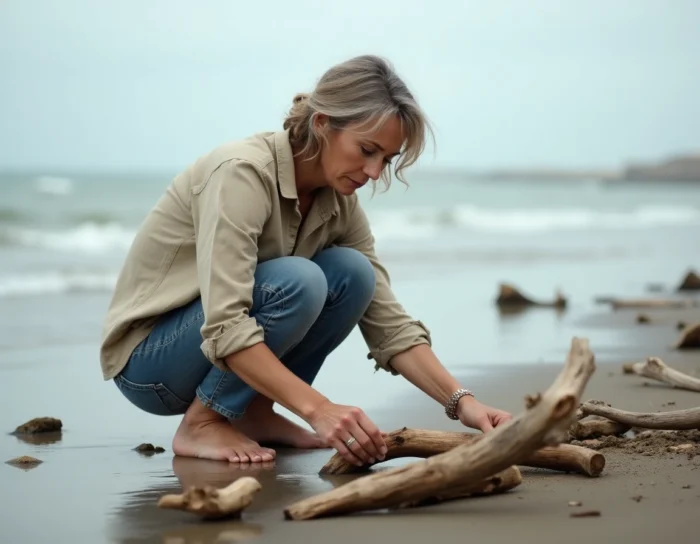
After a storm or a high tide, the beaches are covered with smooth, gray branches sculpted by saltwater. The temptation to take them home to decorate an interior or dress up an aquarium is strong. Collecting driftwood seems harmless, but the line between a creative gesture and a harm to the coastal ecosystem is thinner than one might think. It is essential to know when to collect these pieces, which ones are worth retrieving, and how to prepare them.
Seaweed and driftwood: what to leave on the beach
You may have noticed that cord of organic debris that marks the limit of high tides? That’s the seaweed line. It mixes algae, shells, wood, seeds, insects, and microorganisms.
This ribbon of decomposing material nourishes an entire coastal food chain. Sea fleas and insect larvae develop there, in turn attracting shorebirds. Removing wood still tangled in this line deprives this ecosystem of shelter and a pantry.
A decorative wood is distinguished from ecologically useful wood by a few simple clues. Interesting driftwood for decoration is dry, hard to the touch, and detached from any plant mass. Its surface is smooth, bleached by the sun and salt.
In contrast, a branch that is still damp, caught in a pile of algae, colonized by barnacles or marine worms, is part of the living seaweed line. The best practice is to know when to collect driftwood and treat it considering this distinction, to only take isolated and already inert pieces.
There is no specific national law regarding driftwood, which creates a legal gray area. Some municipalities tolerate collection for personal use, while others prohibit it by municipal decree, especially in nature reserves. Check with the town hall before any collection.
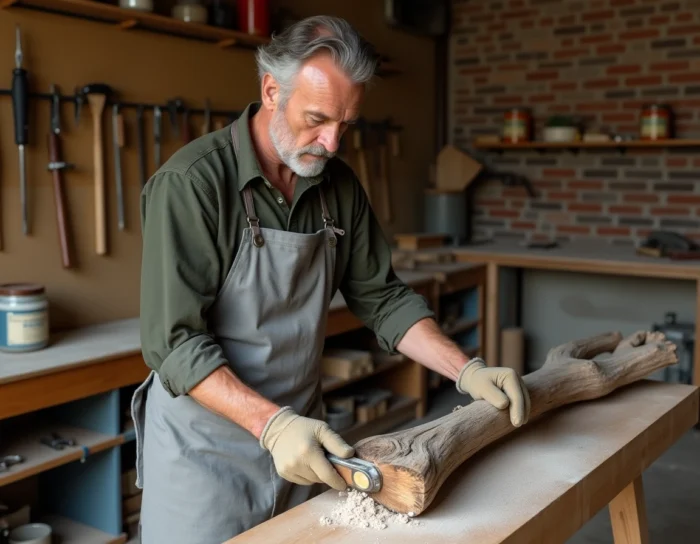
Driftwood unsuitable for indoor use: spotting pieces to avoid
Not all washed-up wood deserves to come home with you. Some pieces, despite their appealing appearance, will cause problems once installed as decoration or submerged in an aquarium.
- A spongy wood that sinks under finger pressure is waterlogged and likely colonized by fungi. It will mold indoors even after drying.
- A deeply cracked piece will harbor insects or larvae invisible to the naked eye. In an aquarium setting, it will release excessive tannins and upset the water’s pH.
- A wood that emits a strong odor of mud or sulfur indicates advanced anaerobic decomposition. No treatment will reverse this degradation.
Favor hard pieces that make a sound when struck, whose bark has completely disappeared. Resinous species (pine, cypress) resist rotting better than softwoods like poplar or willow.
When to collect driftwood on French beaches
The timing of collection largely determines the quality of the pieces found. The best times follow a predictable pattern related to weather and tides.
After autumn and winter storms
The floods of coastal rivers carry huge quantities of branches and trunks to the sea. Storms then wash them onto the sand. This is the most productive time to find large pieces that have already been well worked by the water. The days after a windstorm between October and March offer the best selection.
Low tide, mid-morning
Collecting at low tide allows you to cover the widest possible stretch of beach. By mid-morning, the sun has already begun to dry the surface pieces, making it easier to visually sort between dry wood and wood still waterlogged.
In summer, competition is fierce. Tourist beaches are mechanically cleaned by municipalities, and nature decoration enthusiasts arrive early. If you are looking for quality pieces during the holidays, head to unmaintained beaches, coves, or little-frequented estuaries.
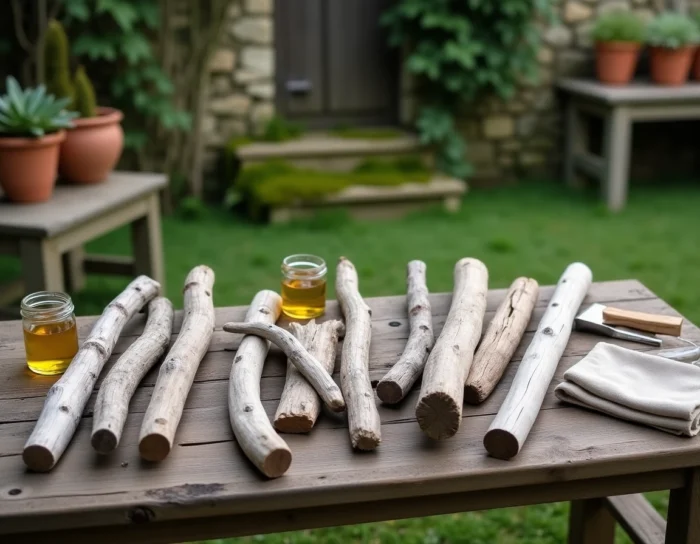
Treatment of driftwood before use in decoration or aquarium
Wood collected from the beach contains salt, embedded sand, and potentially living organisms. Treatment is not optional if you want a lasting result.
Desalting and cleaning
Soak the pieces in fresh water for several days, changing the water daily. This step removes the salt that, when crystallizing, would cause the wood fibers to burst over time. A vigorous scrubbing with a stiff brush dislodges sand and shell residues.
Complete drying
Insufficiently dried wood will mold indoors within weeks. Let it air dry in a ventilated area, sheltered from rain, for several weeks. Avoid prolonged direct sunlight, which can cause cracking.
Treatment according to final use
- For indoor decoration, a low-temperature run in a household oven (after natural drying) eliminates the last insects. No glossy finish is recommended: a matte varnish or, better yet, no varnish at all preserves the natural look of the material.
- For an aquarium or terrarium, prolonged soaking in boiling water sterilizes the wood and accelerates the leaching of tannins. Ensure that the piece sinks on its own before permanently submerging it: wood that still floats is not saturated enough.
- For outdoor use (garden, terrace), a natural linseed oil protects the wood without masking its texture. Driftwood does not tolerate industrial chemical treatments well that alter its patina.
Driftwood that is too exposed to salt and poorly dried remains the primary cause of disappointment among nature decoration enthusiasts. A few days of patience during the desalting and drying process makes all the difference between a piece that lasts for years and a branch that darkens in a few months.