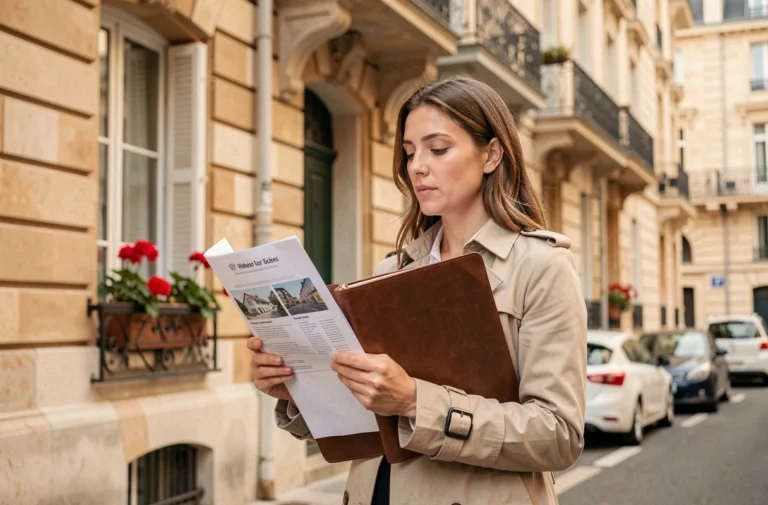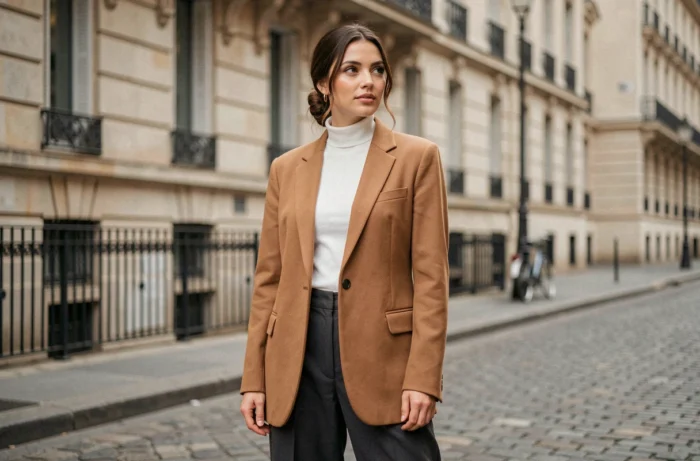
Women’s fashion in 2026 is characterized by a marked return of color, an increasing focus on the sustainability of pieces, and a strong taste for expressive accessories. These themes structure the spring-summer and autumn-winter collections and change the way a wardrobe is composed on a daily basis.
European textile regulation and access to designer pieces
Since July 19, 2026, large companies in the European Union are no longer allowed to destroy their unsold clothing, fashion accessories, and shoes. This ban stems from Article 25 of Regulation (EU) 2024/1781 on the eco-design of sustainable products (ESPR) and applies to companies with 250 employees or more.
The direct consequence for consumers: more collection pieces are circulating in the secondary market. Brands are redirecting their stocks to private sales, outlets, or recommerce platforms. Models once reserved for limited distribution are now accessible at reduced prices, sometimes just a few months after their runway presentation.
For those seeking a unique style, this evolution opens up a concrete playground. Following fashion on Je veux de l’info allows you to spot these movements and identify pieces that are becoming more available thanks to these new circularity rules.
The revision of the waste framework directive also anticipates an extended producer responsibility for textiles by 2028. Less durable items will cost more to produce and bring to market. Betting on higher quality clothing becomes both a stylistic and economic strategy.
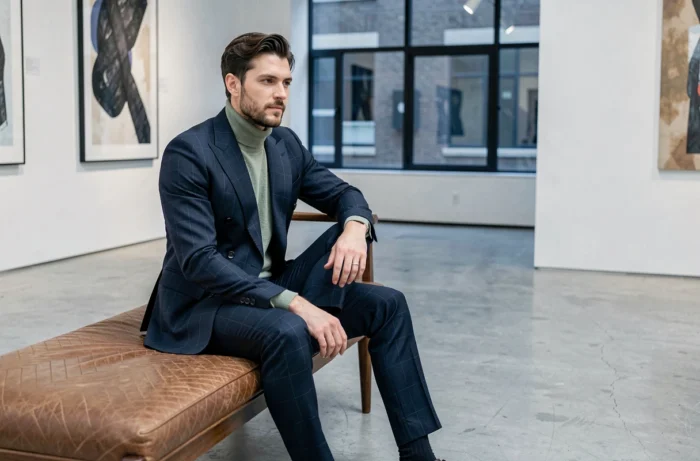
Trendy color palette 2026: lavender, glacier blue, and bright tones
After several seasons dominated by neutral tones, color is reclaiming a central place. Two shades stand out clearly in the current collections.
Lavender is prominent on flowing dresses, satin shorts, and handbags. Its luminous softness works well in a total look or as a unique touch on a sober outfit. Glacier blue, fresh and graphic, appears on coats, sweaters, and accessories, confirming the appeal of frosty tones.
Beyond these two key colors, palettes are expanding to include yellow, pink, and purple. The principle for creating a personal look remains the same:
- Choose a strong color as a focal point (a lavender jacket, glacier blue pants) and build the rest of the outfit in complementary or neutral tones
- Limit bright colors to two per outfit to avoid a costume effect and maintain a clear silhouette
- Test shades on different materials (satin, cotton, knit) as the same color can look radically different depending on the fabric
Long flowing dress and wide pants: silhouettes that structure the style
The long flowing dress, worn on the runways of Milan and Paris by Loewe, Miu Miu, or Saint Laurent, embodies an assertive femininity. Inspired by the poetcore movement, it is worn with minimalist shoes and a thin belt to accentuate the waist without stiffening the line.
The structured wide pants complement this direction. With a defined waist, sharp cut, and ample fall, they offer a balance between comfort and elegance that slim jeans do not provide. Worn with an oversized sweater or a tucked-in shirt, they redefine body proportions without constraining them.
These two pieces share a common point: they function as modular bases. A flowing dress can accommodate both a colorful short jacket and a structured blazer. Wide pants transition from office to weekend simply by changing the top. Building a wardrobe around versatile pieces reduces the number of necessary garments while multiplying possible combinations.
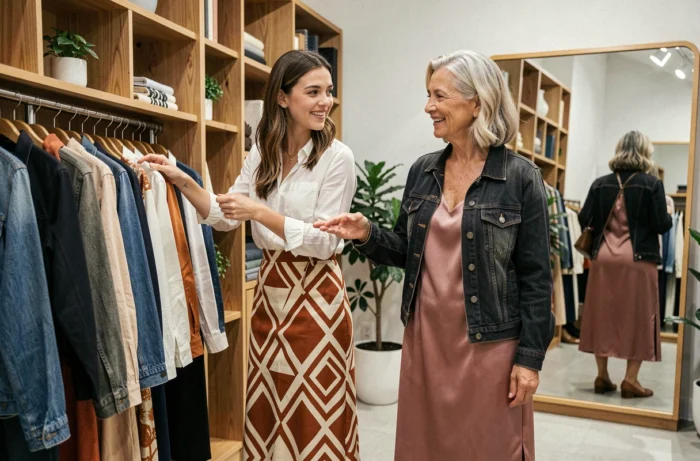
Expressive accessories: brooches and details that personalize an outfit
Accessories play a more prominent role this season. The brooch, almost forgotten for several years, is making a visible comeback in collections and on social media. Pinned on a jacket lapel, a shirt collar, or a bag, it transforms a basic piece into a distinctive element.
This return is part of a broader trend: assertive maximalism is replacing minimalist discretion. Bold details (textures, volumes, patterns) take precedence over streamlined silhouettes. Transparency and lace appear in everyday wearable pieces, not just reserved for evening wear.
The expressive accessory has a practical advantage that is often underestimated. Investing in a few brooches, statement belts, or colorful bags costs less than renewing an entire wardrobe, while producing a comparable visual effect. A vintage brooch found on a second-hand platform adds character that fast fashion cannot replicate.
Sustainability of pieces: a style criterion in its own right
A well-constructed garment can withstand several fashion cycles without losing its shape or appeal. For a style that is both elegant and coherent, prioritizing durable pieces that are worn for a long time remains more relevant than accumulating low-lifespan clothing.
Color and cut trends change each season, but the quality of the fabric and construction determines the actual longevity of a piece in a wardrobe. Comparing two similar garments based on these criteria before purchase avoids disappointments after a few washes.